How to Be Happy Alone: 7 Ways to Enjoy Your Own Company
Author: Timothy Rubin, PhD in Psychology
Originally Published: November 2025
Last Updated: November 2025
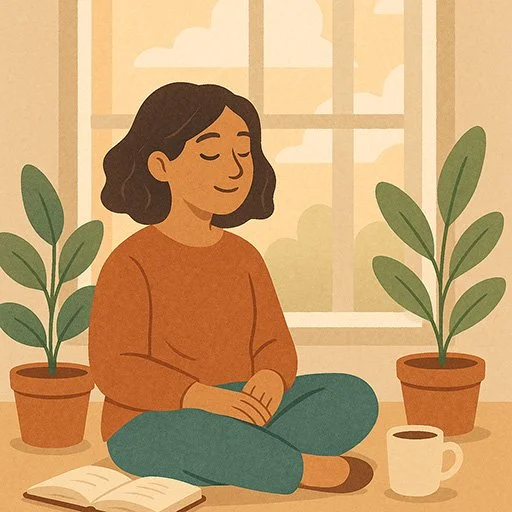
Learning to enjoy your own company transforms alone time from something to endure into an opportunity for growth and self-discovery.
Contents
- Why Being Happy Alone Matters for Your Health
- Understanding Why Being Alone Feels Hard
- Practice Self-Compassion When Loneliness Strikes
- Bring Mindfulness to Everyday Activities
- Challenge the Negative Stories You Tell Yourself
- Engage in Meaningful Solo Activities
- Reframe Solitude as a Choice, Not a Sentence
- Prioritize Quality Over Quantity in Connections
- Cultivate Gratitude for What Solitude Offers
- Building a Sustainable Practice
- Frequently Asked Questions
Learning to enjoy your own company isn't just about feeling comfortable—it's essential for your health and wellbeing. Being alone doesn't have to mean being lonely, and the distinction matters profoundly for your mental and physical health.
While chronic loneliness carries health risks comparable to smoking 15 cigarettes a day according to the U.S. Surgeon General's 2023 advisory, chosen solitude can actually reduce stress, enhance creativity, and improve your relationship with yourself.
The key is transforming involuntary isolation into intentional, meaningful alone time. Research shows that when people approach solitude with the right mindset and practices, they experience reduced loneliness and increased life satisfaction.
Why Being Happy Alone Matters for Your Health
The health stakes are real. Meta-analyses examining over 308,000 participants found that chronic loneliness elevates mortality risk by 26-32%—rivaling the impact of obesity and physical inactivity.
But here's what matters: these risks stem from chronic loneliness (feeling disconnected), not from time spent alone. Research distinguishes between painful isolation and restorative solitude, and learning this difference can transform your wellbeing.
With evidence-based strategies, you can develop a rich, fulfilling relationship with yourself that actually enhances your connections with others. Let's explore seven practical approaches backed by psychological research.
Understanding Why Being Alone Feels Hard
Your discomfort with solitude likely stems from maladaptive social cognition—automatic negative thoughts that paint being alone as threatening or shameful. When you're by yourself, your mind might generate stories like "nobody wants to spend time with me" or "there's something wrong with me."
These thoughts trigger the same stress responses as genuine threats, activating your body's stress systems and creating a self-fulfilling cycle. The good news? Cognitive-behavioral interventions that address these thought patterns prove significantly more effective than simply increasing social opportunities.
Cultural messages compound this challenge. We're bombarded with ideals celebrating constant connection, making alone time feel like failure. But reframing matters enormously: when people view solitude as autonomous and choiceful, the negative associations with loneliness essentially disappear.
Practice Self-Compassion When Loneliness Strikes

Self-compassion—treating yourself with kindness during difficult moments—is one of the most powerful interventions for loneliness.
Self-compassion—treating yourself with the same kindness you'd offer a struggling friend—emerges as one of the most powerful interventions for loneliness. Research demonstrates that self-compassionate individuals experience significantly less loneliness, anxiety, and depression.
When difficult feelings arise, try the self-compassion break: Place your hand on your heart and acknowledge "this is really hard right now" (mindfulness). Remind yourself that "everyone experiences loneliness sometimes" (common humanity). Then ask, "how can I care for myself in this moment?" (self-kindness).
Replace harsh self-talk with understanding. Instead of "I'm so pathetic for being alone," try "I'm feeling lonely right now, and I can be kind to myself through this." This isn't just positive thinking—it's acknowledging reality while responding with warmth rather than criticism.
Bring Mindfulness to Everyday Activities
Groundbreaking research from Carnegie Mellon found that mindfulness training reduced daily loneliness by 22% and increased social contact. The key? Learning to accept feelings of loneliness when they arise rather than fighting them.
Transform routine activities into mindfulness practice. During your morning coffee, notice the warmth of the cup, the aroma, the taste. When walking, feel each footstep and observe your surroundings with curiosity. While washing dishes, experience the water temperature fully present.
These practices aren't about distraction—they're about inhabiting the present moment rather than ruminating about being alone. The practice teaches you to observe loneliness as a passing feeling rather than a defining truth about yourself. You might explore mindfulness-based cognitive therapy techniques to deepen this practice.
Challenge the Negative Stories You Tell Yourself
The most effective loneliness interventions don't just increase social opportunities—they target the automatic negative thoughts that make being alone feel threatening.
Start by catching your automatic thoughts. When you notice discomfort with solitude, ask "what am I telling myself right now?" Common distortions include all-or-nothing thinking ("I'm always alone"), mind-reading ("they think I'm weird"), and catastrophizing ("I'll never have close relationships").
Next, examine the evidence. If your thought is "nobody likes me," list actual evidence for and against this belief. Generate a more balanced alternative: "Some social situations are challenging for me, and I'm working on building connections at my own pace." This isn't about forced positivity—it's about accuracy.
These cognitive restructuring techniques are also valuable for managing anxiety through acceptance and commitment therapy, which shares the goal of changing your relationship to difficult thoughts.
Engage in Meaningful Solo Activities
How you spend alone time matters enormously. Research examining emerging adults found that those engaging in active leisure while alone—reading, creative pursuits, physical activity, learning—experienced lower psychological distress and higher satisfaction with solitude.
Build a portfolio of engaging solo activities:
- Creative pursuits like writing, painting, or playing music activate flow states where time disappears
- Physical activities like yoga, hiking, or dancing boost mood through endorphins while requiring focused attention
- Learning new skills—languages, cooking techniques, instruments—provides measurable progress and accomplishment
The key is active engagement versus passive consumption. Minimize aimless social media scrolling or passive television watching, which often increase rather than decrease loneliness. When you're genuinely engaged, you're not fighting loneliness—you're experiencing the positive aspects of solitude.
Reframe Solitude as a Choice, Not a Sentence
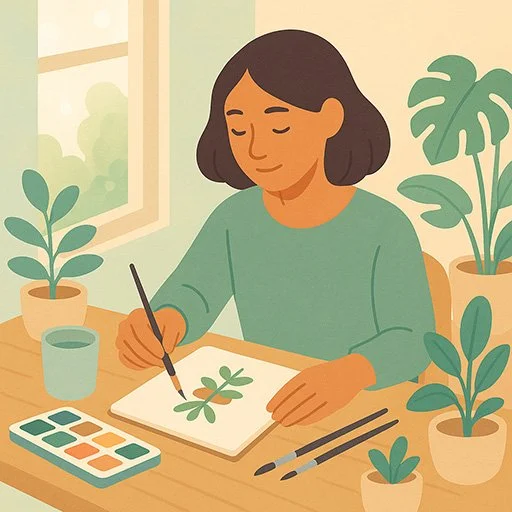
Intentional solitude—time you've chosen for yourself—reduces stress and increases satisfaction compared to imposed isolation.
The same hours spent alone feel entirely different depending on whether you view them as chosen or imposed. Research demonstrates that autonomous solitude—time alone you've intentionally carved out—actually reduces stress and increases autonomy satisfaction.
Practice intentional reframing. Instead of "I'm alone because nobody wants to be with me," try "I'm choosing this time for self-care and personal growth." List specific benefits you gain from solitude: peace for concentration, freedom to pursue interests, emotional regulation space, or creative incubation time.
Set intentions before alone time. Rather than drifting into it passively, decide "I'm using this evening to read and reflect" or "this weekend morning is for my creative project." This simple shift from passive to active framing transforms the psychological experience.
Prioritize Quality Over Quantity in Connections
Paradoxically, being comfortable alone often improves your relationships. The Harvard Study of Adult Development, following participants for over 75 years, found that relationship quality—not quantity—best predicts health and happiness. Having three authentic, reciprocal connections matters more than having thirty superficial ones.
Evaluate your current relationships honestly. Which interactions leave you energized versus drained? Invest more time in high-quality relationships characterized by mutual vulnerability, active listening, and authentic sharing.
This approach reduces pressure to constantly socialize while improving the connections you maintain. Deep conversations and shared meaningful experiences create the sense of belonging that buffers against loneliness far more effectively than frequent but shallow interactions.
Cultivate Gratitude for What Solitude Offers
Self-compassion research shows that self-compassionate individuals have higher levels of gratitude, which enhances positive mental states. Gratitude practice helps you notice and appreciate the genuine benefits of alone time rather than focusing exclusively on what's missing.
Keep a daily gratitude practice focused partially on solitude. Each evening, list three specific things you appreciated about your alone time: "I'm grateful for the quiet to think deeply," "I appreciate having time to cook a meal I enjoyed," or "I valued the freedom to pursue my interests."
Balance this with gratitude for connections. Notice meaningful interactions, even brief ones—a genuine conversation with a colleague or a thoughtful text from a friend. This balanced perspective helps you value both solitude and connection without needing one to crowd out the other.
Building a Sustainable Practice
These seven approaches work best integrated into daily life rather than attempted all at once. Start with whichever resonates most—perhaps the self-compassion break when loneliness strikes, or choosing one meaningful solo activity to develop this week.
Remember that enjoying your own company is a skill developed through practice, not an innate trait some people possess and others lack. Each time you practice these approaches, you're building your capacity for fulfilling solitude.
If you find yourself struggling with persistent loneliness despite these practices, consider exploring evidence-based digital mental health tools or professional guidance. There's no shame in seeking additional support—it's an act of self-compassion.
The goal isn't to prefer isolation or eliminate the need for connection. Humans are inherently social beings, and meaningful relationships remain essential for wellbeing. Rather, the aim is developing flexibility—the ability to find contentment whether you're alone or with others. When you're genuinely comfortable with yourself, both your solitude and your relationships deepen and become more authentic.
-Tim, Founder of Wellness AI
About the Author
Timothy Rubin holds a PhD in Psychology with expertise in cognitive science and AI applications in mental health. His research has been published in peer-reviewed psychology and artificial intelligence journals. Tim founded Wellness AI to make evidence-based mental health support more accessible through technology.
Find Support for Your Journey
Try Wellness AI for personalized support in building self-compassion and enjoying meaningful solitude.


Frequently Asked Questions
How can I combat feelings of loneliness when they arise?
Use the self-compassion break: acknowledge the difficulty, remind yourself loneliness is a common human experience, and ask how you can care for yourself. Research shows that accepting loneliness rather than fighting it actually reduces its intensity faster than distraction or avoidance.
Is it normal to prefer being alone sometimes?
Absolutely. Introverts and highly sensitive people often find alone time essential for recharging, and research confirms that chosen solitude provides genuine benefits including reduced stress and enhanced creativity. Preferring periodic solitude reflects self-awareness about your needs, not social deficiency.
How can I build social connections at a comfortable pace?
Focus on quality over quantity. Start with low-pressure contexts like hobby groups or volunteer activities where interaction centers on shared interests. Aim for one meaningful conversation rather than numerous superficial exchanges.
What's the difference between being alone and being lonely?
Being alone is a physical state; loneliness is an emotional one. You can feel lonely in a crowded room and contentedly alone in solitude. The key is whether alone time feels chosen and meaningful versus imposed and empty.
How long does it take to feel comfortable being alone?
This varies individually, but studies on self-compassion and mindfulness interventions typically show measurable improvements within 8 weeks of consistent practice. Some people notice shifts within days while others need months. Focus on building the skill gradually rather than expecting immediate transformation.
Can spending too much time alone be harmful?
Yes, when alone time is involuntary, excessive, or accompanied by chronic loneliness that persists despite desire for connection. The health risks come from perceived social isolation, not time alone itself. Balance matters—humans need both meaningful connection and restorative solitude.
What if my negative thoughts about being alone feel true?
Our brains often confuse thoughts with facts. Thoughts can feel true while being demonstrably inaccurate. Cognitive restructuring isn't about forced positivity—it's about examining evidence objectively. Most negative thoughts about being alone contain distortions like overgeneralizations or catastrophizing.
Should I push myself to socialize even when I prefer being alone?
Balance your genuine need for solitude with maintaining important relationships. If you prefer alone time because it's genuinely restorative, honor that need. If you're avoiding socializing due to anxiety or fear, gentle challenges help build confidence. Ask yourself: "Am I choosing solitude from self-care or from fear?"